2026 Best WPC Decking Options for Global Buyers?
WPC decking, or wood-plastic composite decking, is rapidly gaining popularity among global buyers. As outdoor living spaces become more valuable, consumers seek durable and low-maintenance options. WPC decking offers a blend of natural wood aesthetics with the resilience of synthetic materials. This makes it an attractive choice for homeowners and businesses alike.
When exploring the best WPC decking options for 2026, quality is paramount. Different brands present varied levels of durability, fade resistance, and environmental sustainability. Not all products meet the same standards. Some might lack the longevity that consumers expect. Buyers must assess both the visual appeal and the practical performance of these materials.
In this evolving market, understanding the trends and innovations is crucial. Buyers should conduct thorough research before making a choice. Reviews and expert opinions can guide decisions but require careful scrutiny. The journey to find the perfect WPC decking might reveal unexpected challenges. However, with the right insights, buyers can make well-informed investments in their outdoor spaces.
Overview of WPC Decking: Benefits and Features
WPC decking, made from wood-plastic composite, offers unique benefits for outdoor spaces. It combines the natural appearance of wood with the durability of plastic. This material is resistant to moisture, insects, and splintering. Homeowners appreciate the low maintenance requirements. They can enjoy their decks without frequent repairs or treatment.
Installation is straightforward, appealing to both DIY enthusiasts and professionals. WPC decking is available in various colors and textures, allowing a personalized touch. Sustainability is another important feature. Many products use recycled materials, making WPC an environmentally friendly choice. Consumers are increasingly concerned about their ecological impact, and WPC caters to this need.
However, it's essential to consider some downsides. The initial cost can be higher than traditional wood. Some users found that certain types fade over time. This might necessitate additional considerations for color retention. It's crucial to research options thoroughly before committing. Balancing beauty and practicality is key to choosing the right WPC decking.
Top 2026 WPC Decking Brands for Global Buyers
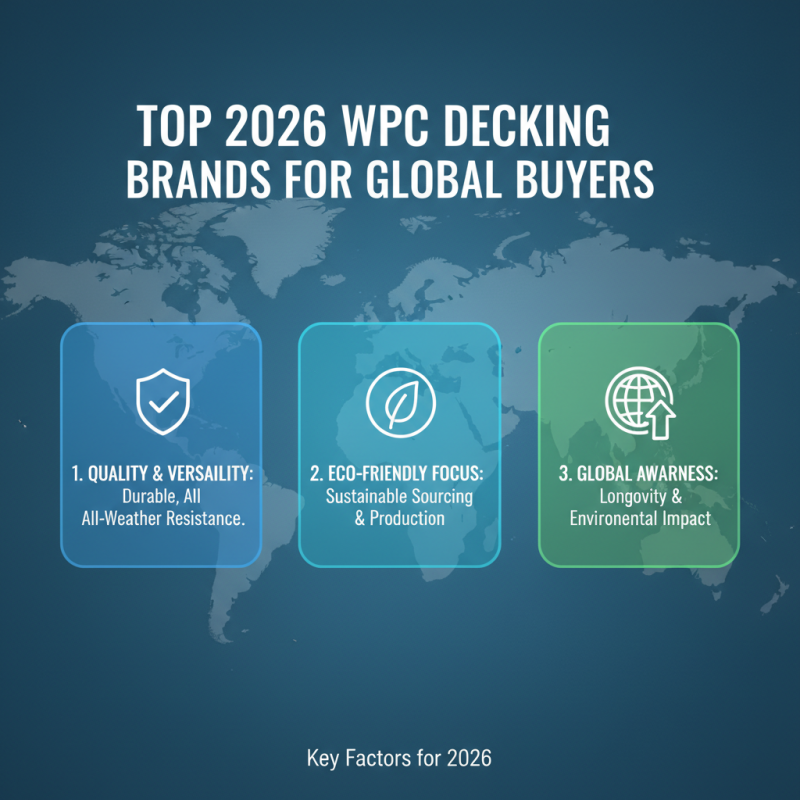
When considering WPC decking options for 2026, it's important to focus on quality and versatility. Many buyers seek durable materials that withstand varied weather conditions. Top brands in this market emphasize eco-friendly production processes and sustainable sourcing. This approach not only enhances the longevity of the products but also reflects a growing consumer awareness regarding environmental impact.
The leading brands prioritize design and aesthetics, offering a wide range of colors and textures. This variety allows homeowners and builders to create unique outdoor spaces that complement surrounding architecture. However, with so many choices available, buyers may feel overwhelmed. It’s crucial to conduct thorough research and compare options based on maintenance requirements and warranties.
Reflecting on the evolving trends, some brands are now exploring innovative technologies in their products. This includes improved slip resistance and enhanced UV protection. Yet, not all advancements guarantee success. Buyers should remain cautious and assess long-term performance. Selection can significantly affect not just the looks, but also the functionality of outdoor spaces. The journey to find the best WPC decking will require patience and careful consideration.
Factors to Consider When Choosing WPC Decking
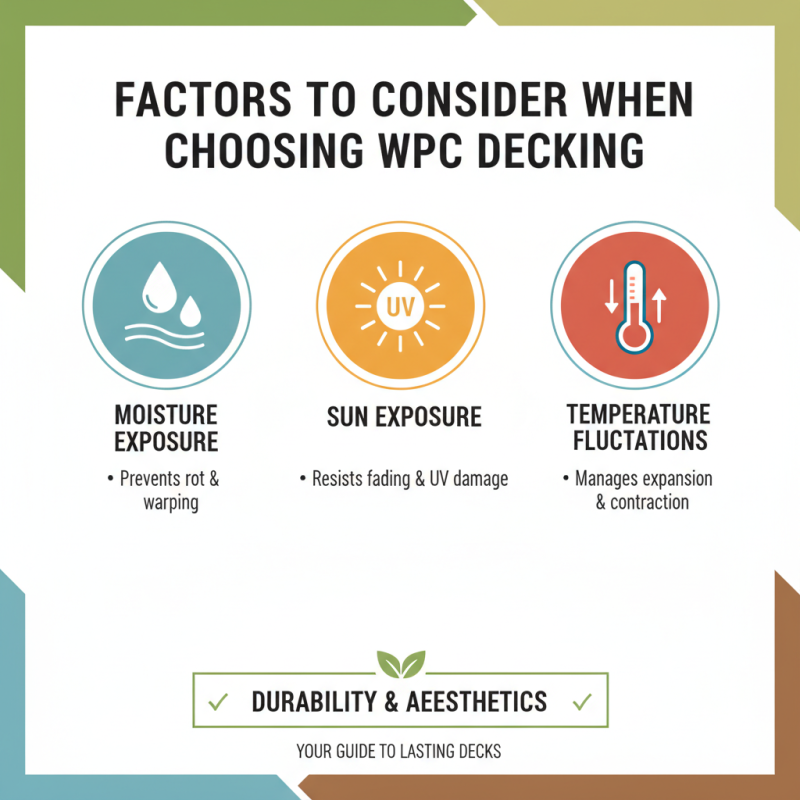
Choosing the right WPC (Wood Plastic Composite) decking is essential for ensuring durability and aesthetics. When evaluating options, consider your specific needs and conditions. Examine the environment where the decking will be installed. Moisture, sun exposure, and temperature fluctuations can significantly affect performance.
Tip: Inspect the product's resistance to fading and warping. Look for models that withstand harsh weather. Quality matters, and options with a solid warranty often indicate better performance.
You should also evaluate the design and color options available. A wide variety of styles can complement your outdoor space. However, popular choices may come with a higher price. This is a common trade-off in the decking market. Be prepared to balance aesthetics with budget constraints.
Tip: Research local regulations regarding material choices. Some areas have restrictions that might influence your decision. Ignoring these could lead to unexpected challenges down the line. Remember, the best choice reflects your environment and personal preferences. Consider what truly suits your lifestyle.
Comparison of WPC Decking Prices and Quality
When exploring WPC (Wood Plastic Composite) decking, price and quality are crucial factors for buyers. A recent industry report states that the average price of WPC decking ranges from $2.50 to $5.00 per square foot. This variation often reflects the quality of the materials used. Higher-end WPC products, those with enhanced durability and resistance to weathering, can cost significantly more. Buyers need to assess their budget against these quality indicators.
Quality is assessed through durability ratings, fade resistance, and maintenance needs. Brands that invest in high-quality resins typically provide products that last longer. A study found that superior WPC decking can last up to 25 years with proper care. Meanwhile, lower-quality options may require replacement in as little as 10 years. This stark contrast in lifespan can affect overall investments significantly.
Some factors complicate the decision-making process. For instance, price fluctuations in raw materials can impact pricing. Additionally, it's essential to consider regional differences in availability and local regulations that might influence product choices. Buyers must conduct research and seek various estimates before making final decisions. Balancing the cost with quality assurance remains a challenging aspect of purchasing WPC decking.
Sustainability and Environmental Impact of WPC Decking
When choosing WPC decking, sustainability stands out as a key factor. Wood-plastic composites are made from recycled wood fibers and plastic, reducing landfill waste. This reuse of materials significantly cuts down on resource consumption. Moreover, WPC decking often requires less energy to produce compared to traditional wood. It is a step towards more eco-friendly construction practices.
However, there are challenges to consider. Not all WPC products are created equal. Some may not fully disclose their material sources, which could lead to environmental concerns. It is crucial to research and select products that adhere to sustainable practices. Look for certifications that ensure a lower carbon footprint. This adds to transparency and increases consumer trust.
**Tips:** Always check for warranties and production information. Ask manufacturers about their sourcing practices. By being informed, you can make better choices. Additionally, consider the longevity of WPC. Investing in durable products ultimately minimizes waste over time. Understanding these aspects can guide you towards a more sustainable decking choice.
2026 Best WPC Decking Options for Global Buyers - Sustainability and Environmental Impact of WPC Decking
| WPC Decking Type |
Recycled Content (%) |
Lifespan (years) |
Maintenance Frequency (times/year) |
Eco-Friendly Certification |
Carbon Footprint (kg CO2e/sq.m) |
| Type A |
70 |
25 |
1 |
FSC Certified |
30 |
| Type B |
60 |
20 |
2 |
Green Tag Certified |
28 |
| Type C |
80 |
30 |
1 |
LEED Compliant |
25 |
| Type D |
50 |
15 |
2 |
Rainforest Alliance Certified |
35 |