2026 Top PVC Cladding Panels Trends and Innovations Explained
In the ever-evolving world of construction and design, trends in PVC Cladding Panels are gaining momentum. These panels offer versatile solutions for both aesthetic appeal and functional durability. As more homeowners and builders seek sustainable materials, PVC Cladding Panels stand out for their resilience against harsh weather and wear.
Recent innovations in design and installation techniques are driving the popularity of these panels. From textured finishes to eco-friendly manufacturing processes, the options are expanding. People appreciate how these features can transform spaces. Yet, some may overlook the complexities involved in selecting the right type. Not every panel suits every project, and choosing wisely can be challenging.
Aesthetics and practicality should go hand in hand. The right PVC Cladding Panels can enhance a building’s look while providing long-lasting protection. However, understanding the latest trends can be daunting. As you explore the upcoming trends in 2026, consider how these insights can guide your decisions, helping you create beautiful and functional spaces.
Emerging Trends in PVC Cladding Panels for 2026
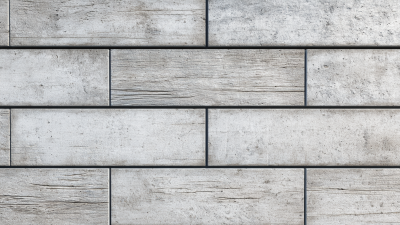
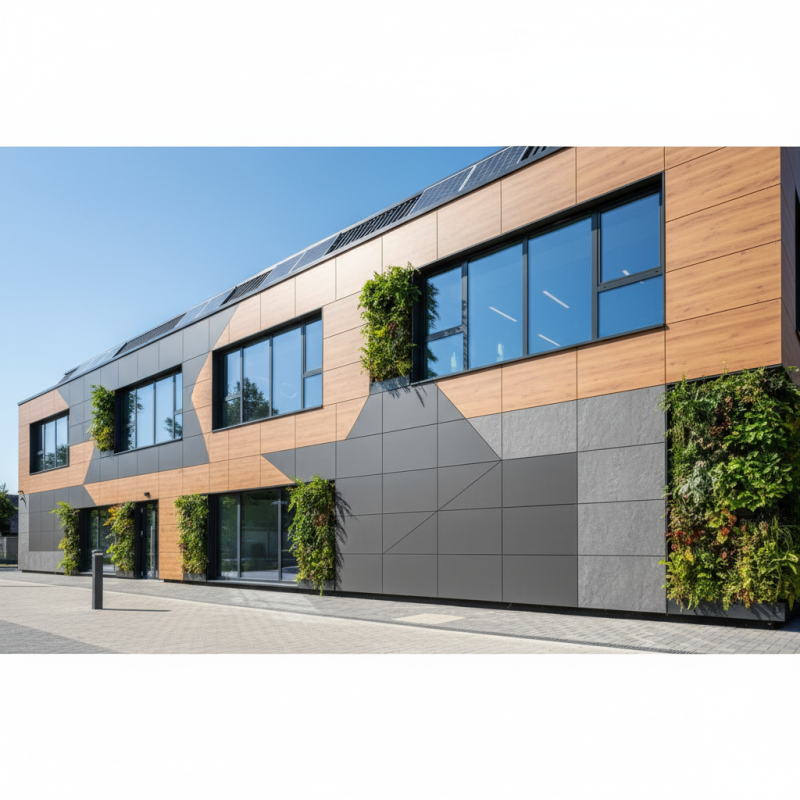
In 2026, PVC cladding panels will evolve. There is a clear shift towards sustainability. New materials are emerging that provide better insulation. This helps reduce energy costs. Designers are now focusing on texture and finish. Smooth surfaces are becoming less popular. Instead, wood-like textures are gaining traction. They add warmth and character to buildings.
Innovation in colors is another trend to note. Bold hues and unique patterns are brightening up façades. Homeowners want to express individuality through their choices. The market is responding with a wider palette. However, there are challenges. Not every color holds up well against UV rays. Research is crucial before making a decision.
Tips: Always request samples before investing in cladding. It’s wise to check the durability of colors in sunlight. Pay attention to the texture; it can change the entire look. Ask about the materials used for sustainability. Make sure they align with your values. Lastly, consider the long-term maintenance of your choice. A beautiful façade can quickly turn to disappointment without proper care.
Innovative Designs Shaping the Future of PVC Cladding
The future of PVC cladding is taking shape with innovative designs that reflect current trends in sustainability and aesthetics. In recent years, the demand for eco-friendly materials has surged. Reports show that over 70% of consumers prioritize sustainable options. As a result, manufacturers are investing in recycled materials. This shift is paving the way for cladding panels that reduce environmental impact while enhancing design versatility.
Textured finishes are becoming increasingly popular. Homeowners are looking for unique visual aspects. One study indicated that 65% of new construction projects now feature textured surfaces. These textured panels offer a contemporary look and increase durability. However, not all designs meet high-performance standards. Some textures may compromise the panel's longevity, creating a need for careful selection.
Color trends are also evolving. Bright, bold colors are replacing neutral tones as preferences shift. Various reports highlight that vibrant shades can increase a property’s appeal to potential buyers. Yet, the challenge remains in balancing aesthetic appeal with long-lasting performance. Consumers often face dilemmas when choosing the right combination of style and durability. Thus, the journey of innovation in PVC cladding continues, reflecting both consumer desires and industry challenges.
Sustainability Initiatives in PVC Cladding Manufacturing Practices
Sustainability is reshaping the PVC cladding industry. Many manufacturers are now focusing on eco-friendly practices. This shift is not just a trend; it reflects a deeper commitment to the environment. By utilizing recycled materials, companies can significantly reduce waste. In addition, innovative production methods help minimize the carbon footprint.
Tips: Look for cladding panels made from at least 30% recycled PVC. This choice supports sustainability and helps reduce landfill waste.
Another initiative gaining momentum is the energy-efficient manufacturing process. Manufacturers are adopting low-energy technologies. This approach not only lowers operating costs but also protects natural resources. However, implementing these changes can be challenging. Some companies hesitate due to initial investment costs, even though long-term benefits often outweigh them.
Tips: Consider supporting brands that disclose their energy consumption. Transparency is key to understanding sustainability efforts in manufacturing.
Striking a balance between efficiency and environmental responsibility is ongoing. While progress is evident, it’s essential to keep pushing for better solutions. The future of PVC cladding will depend on continuous innovation and commitment to sustainability.
2026 Top PVC Cladding Panels Trends and Innovations Explained - Sustainability Initiatives in PVC Cladding Manufacturing Practices
| Trend/Innovation |
Description |
Sustainability Initiative |
Impact on Environmental Footprint |
| Recycled PVC Usage |
Increasing the proportion of recycled PVC in cladding products. |
Utilizing waste PVC to lessen environmental impact. |
Reduces landfill waste and lowers carbon emissions. |
| Biodegradable Additives |
Incorporating additives that promote biodegradability. |
Enhancing product lifecycle sustainability. |
Less environmental pollution when disposed of. |
| Energy-Efficient Manufacturing |
Implementing technologies that reduce energy consumption in production. |
Adopting renewable energy sources. |
Decreases overall carbon footprint during manufacturing. |
| Water-Based Coatings |
Switching from solvent-based to water-based finishes for products. |
Reducing harmful VOC emissions. |
Improves air quality and worker safety. |
| Modular Cladding Systems |
Utilizing modular designs for easier installation and less waste. |
Facilitating recycling and reusability of components. |
Minimizes material usage and construction waste. |
Technological Advancements Enhancing PVC Cladding Performance
The world of PVC cladding panels is evolving rapidly. Technological advancements are reshaping how these panels perform in various environments. For instance, new formulations enhance durability and weather resistance. This results in cladding that not only looks appealing but can withstand harsh conditions. Manufacturers are now using advanced coatings to improve UV resistance. This innovation protects colors from fading over time.
Moreover, lightweight materials are gaining popularity. They make installation easier without compromising quality. Some of these panels even feature self-cleaning properties. This means less maintenance for homeowners. However, the challenge remains in balancing cost with performance. Many options are available, but finding the right one can be daunting.
Recycling efforts are also part of the conversation. As the industry pushes for sustainable practices, some manufacturers are exploring recycled PVC. This raises questions about the longevity and safety of recycled materials. The future is promising, but the industry must address these concerns carefully.
Let's embrace the trends while remaining critical of the choices we make.