2026 Top Upvc Wall Cladding Benefits and Trends to Watch?
As we look ahead to 2026, the landscape of exterior home design is evolving. One standout feature gaining popularity is Upvc Wall Cladding. This innovative material not only enhances the aesthetic appeal of buildings but also offers practical benefits. Its durability and weather resistance make it a smart choice for many homeowners.
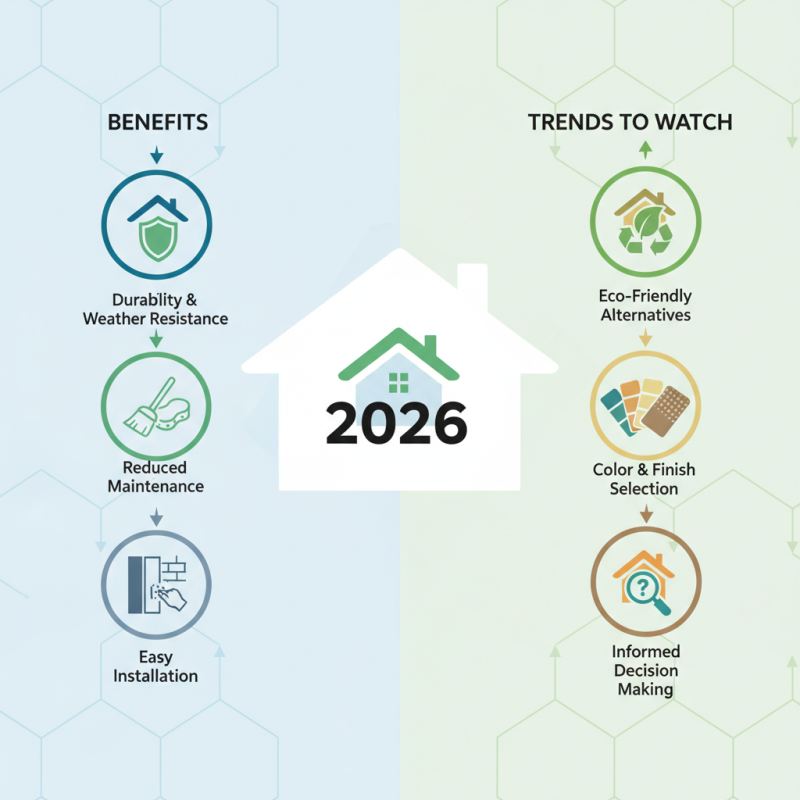
However, it’s essential to consider both the advantages and limitations of Upvc Wall Cladding. While it can significantly reduce maintenance efforts, choosing the right color and finish is critical. A poorly selected design can clash with your home’s architecture. The trends suggest a shift towards more eco-friendly materials, which may challenge the dominance of traditional Upvc options.
Still, Upvc Wall Cladding remains a reliable choice. It is lightweight yet resilient, allowing for easier installation. Observing the current trends will help homeowners make informed decisions. Embracing these insights could lead to a home that stands out in both style and function, but each choice deserves reflection.
Benefits of UPVC Wall Cladding in Modern Architecture
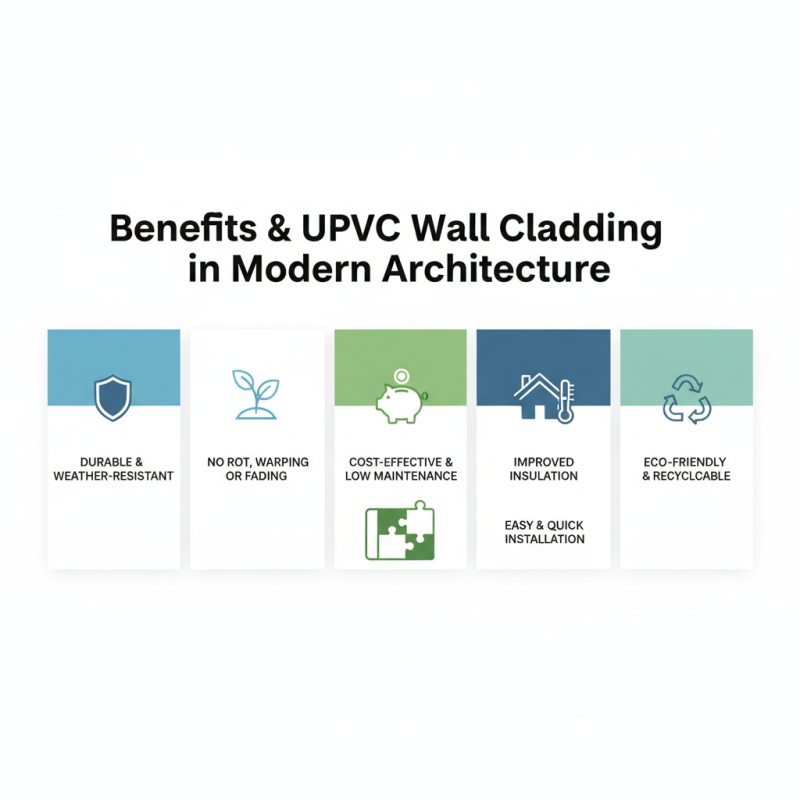
UPVC wall cladding is gaining popularity in modern architecture. This material offers several benefits worth considering. First, it is durable and resistant to harsh weather conditions. Unlike wood, UPVC does not warp or rot. This longevity saves costs on repairs and replacements over time.
Another advantage is its low maintenance requirement. Cleansing UPVC cladding is straightforward and quick. Regular soap and water suffice, eliminating the need for expensive treatments. Tip: Establish a cleaning routine to maintain its aesthetic appeal.
Additionally, UPVC is energy-efficient. It provides excellent insulation, reducing heating and cooling costs. There is an ongoing trend toward eco-friendly materials in construction, and UPVC fits this need. The material is recyclable, contributing to sustainability efforts. Many architects are realizing its potential and incorporating it into their designs. Nonetheless, some people hesitate due to misconceptions around its appearance. They believe it lacks warmth and character. Reflecting on real-world implementations showcases that UPVC can mimic natural materials effectively, offering beauty and practicality.
Environmental Advantages of Using UPVC Wall Cladding
UPVC wall cladding offers significant environmental advantages. It is made from
sustainable materials, helping to reduce the reliance on traditional timber. This shift contributes to fewer trees being cut down.
UPVC is also highly durable, which means it requires less frequent replacement.
This longevity directly impacts waste production and resource depletion.
When considering UPVC, reflect on its energy efficiency. It can contribute to lower heating and cooling costs.
This is because UPVC provides excellent insulation. Proper installation can significantly enhance a building's energy performance.
Remember to check local regulations regarding insulation standards.
Tips for using UPVC wall cladding effectively include choosing the right color.
Lighter shades can reflect heat, keeping interiors cooler.
Make sure to inspect seams and joints regularly. Even small gaps can lead to energy loss.
Finally, consider maintenance. Although UPVC requires less upkeep,
regular cleaning will extend its lifespan and ensure it looks great.
Trends in UPVC Wall Cladding Designs for 2026
As we approach 2026, UPVC wall cladding continues to evolve. One significant trend is the focus on sustainability. Homeowners are increasingly concerned about the environmental impact of their choices. Manufacturers are responding by producing UPVC that is recyclable and energy-efficient. This shift not only benefits the planet but also enhances the property's overall value.
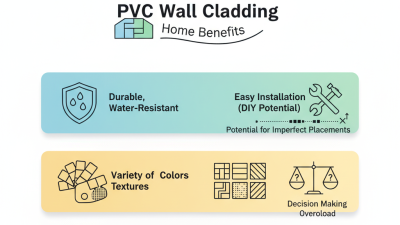
Another noteworthy trend is the use of bold colors and textures. Traditional white and beige cladding are still popular, but vibrant shades are gaining traction. Deep blues, earthy greens, and rich reds are becoming sought-after options. These choices allow for more personalized expressions of style. However, homeowners might need to consider their local aesthetics before making a decision.
Furthermore, technology and design are merging. Smart features are being integrated into cladding solutions. Energy monitoring systems and self-cleaning properties are becoming more common. This intersection of convenience and design raises questions about the balance between technology and traditional craft. The future of UPVC wall cladding is exciting, but it is essential to approach these changes thoughtfully.
Comparative Analysis of UPVC and Traditional Wall Cladding Materials
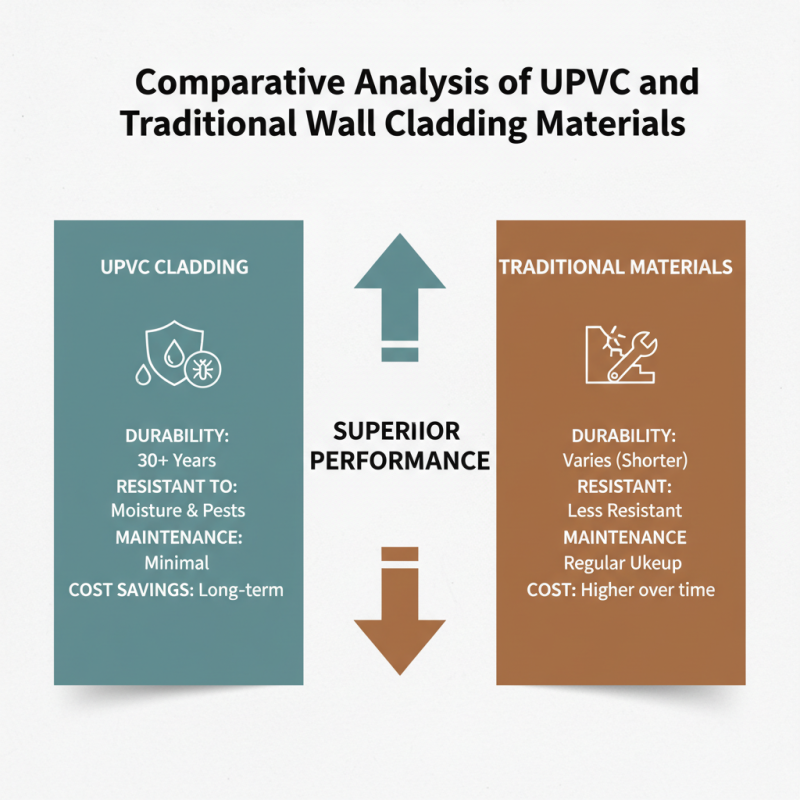
When comparing UPVC and traditional wall cladding materials, significant differences emerge. UPVC cladding offers superior durability and resistance to moisture and pests. Reports show that UPVC can last over 30 years with minimal maintenance, whereas traditional materials often require regular upkeep. This important aspect can save homeowners time and money in the long run.
Traditional cladding, such as wood or brick, often needs repainting or sealing. These materials can suffer from rot, rust, or fading due to weather exposure. Data indicates that wood cladding can last about 15-20 years before needing replacement. This raises questions about long-term sustainability and cost-effectiveness.
Tip: When choosing cladding, consider the maintenance requirements. UPVC's low upkeep can benefit busy homeowners. However, evaluate aesthetic preferences as traditional materials may offer a classic look. Be sure to think about environmental impact. While UPVC is recyclable, traditional options like wood have ecological benefits if sourced sustainably. Balancing practical needs with style is vital in making the right choice.
Future Innovations in UPVC Wall Cladding Technology
The future of UPVC wall cladding technology is promising. Innovations are expected to enhance durability and aesthetics. New composite materials might emerge, offering better thermal insulation and weather resistance. This can lead to lower energy costs for homeowners.
In addition to improved performance, eco-friendly options are gaining traction. Manufacturing processes could become more sustainable, using recycled materials. This shift may not only help the environment but also appeal to environmentally-conscious consumers. However, challenges remain. Implementing these innovations at scale requires investment and research.
Another trend is the integration of smart technology within UPVC cladding systems. Features like temperature sensors and moisture detection could become standard. These advancements would enhance functionality, but they also raise questions about cost and maintenance. Continuous improvement is essential, but some methods may need more refinement before becoming mainstream.
2026 Top Upvc Wall Cladding Benefits and Trends to Watch
| Benefit/Trend |
Description |
Estimated Growth (%) |
Expected Adoption Year |
| Durability |
Resistant to corrosion, weathering, and impact. |
15% |
2026 |
| Energy Efficiency |
Improves thermal insulation, reducing heating costs. |
20% |
2025 |
| Low Maintenance |
Requires minimal upkeep compared to traditional materials. |
10% |
2024 |
| Sustainability |
Increasing use of recycled materials in production. |
25% |
2026 |
| Design Flexibility |
Available in various colors, patterns, and finishes. |
30% |
2025 |