10 Essential Tips for Choosing PVC Bathroom Cladding for Your Home
When it comes to designing or renovating your bathroom, one of the most practical and stylish options to consider is PVC bathroom cladding. This material has gained popularity among homeowners due to its versatility, durability, and water-resistant properties, making it an ideal choice for wet environments. However, with an abundance of options available on the market, selecting the right PVC bathroom cladding can seem daunting. It is essential to navigate through various styles, colors, and finishes to find the perfect fit for your aesthetic and functional needs.
In this guide, we’ll outline 10 essential tips for choosing PVC bathroom cladding that not only enhance your space visually but also provide long-lasting performance. From understanding the different types of cladding available to considering the installation process and maintenance requirements, our tips will help you make an informed decision. Whether you are looking to revamp an outdated bathroom or create a fresh new look, PVC bathroom cladding offers a wealth of possibilities that can transform your space into a modern oasis. Let's explore how to harness its potential effectively.

Understanding PVC Bathroom Cladding: Benefits and Features
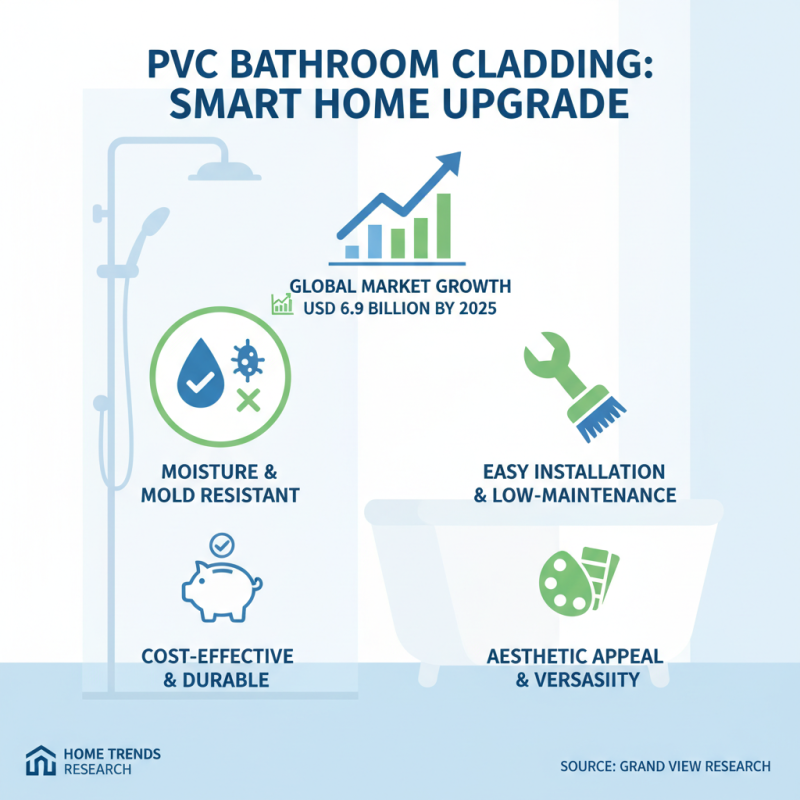
PVC bathroom cladding has gained popularity in recent years for its practicality and aesthetic appeal. According to a report by Grand View Research, the global market for PVC wall panels is expected to reach USD 6.9 billion by 2025, reflecting the growing trend towards affordable and low-maintenance home improvement options. One of the primary benefits of PVC cladding is its resistance to moisture and mold, which is crucial in damp environments like bathrooms. This durability eliminates the need for frequent replacements, making it a cost-effective choice for homeowners.
Additionally, PVC cladding comes in a variety of styles and finishes, allowing homeowners to customize their bathroom's appearance without extensive renovations. With options that mimic wood or stone, PVC provides a versatile aesthetic while maintaining water resistance. Data from the National Kitchen and Bath Association indicates that more than 70% of homeowners are opting for materials that combine functionality with design, underlining the importance of choosing materials like PVC that meet both needs effectively. This versatility, combined with ease of installation and maintenance, makes PVC cladding a compelling choice for modern bathrooms.
Key Factors to Consider When Selecting PVC Cladding Colors and Styles
When selecting PVC bathroom cladding, one of the key factors to consider is color and style. Research indicates that over 70% of homeowners prioritize aesthetics when renovating their bathrooms, making the right color choice crucial. Light colors can create a sense of space and cleanliness, while darker shades can add depth and elegance. It's essential to envision how different hues will harmonize with your existing fixtures and overall bathroom design.
Another significant aspect to consider is the texture and pattern of the cladding. According to industry reports, textured finishes are becoming increasingly popular, as they can add character without compromising on the waterproof benefits of PVC. Opting for wood-effect or stone-effect finishes can enhance the visual appeal of your bathroom, offering a luxurious look at an affordable price point.
Tip: When choosing colors, consider the lighting in your bathroom. Colors can appear differently under natural light versus artificial lighting, so it's advisable to test samples in both conditions. Additionally, opt for finishes that are not only stylish but also practical for maintenance; smooth finishes tend to be easier to clean and maintain than heavily textured ones.
Evaluating Durability and Maintenance Requirements for PVC Cladding
When considering PVC bathroom cladding for your home, evaluating its durability and maintenance requirements is crucial. PVC, or polyvinyl chloride, stands out for its resilience against moisture, making it an ideal choice for wet environments like bathrooms. According to a report by the Building Research Establishment, PVC can withstand temperature variations and high humidity levels without warping or degrading, which results in a longer lifespan compared to traditional materials like wood. While PVC cladding can last upwards of 20 years, proper maintenance is essential to ensure its continued performance.
To maintain the aesthetic and structural integrity of PVC cladding, regular cleaning is recommended. Simple tips include using a mild detergent and a soft cloth to wipe down surfaces, ensuring that mold or mildew does not accumulate. Additionally, avoid abrasive cleaners that could scratch the surface, as this might lead to premature wear and tear. Many homeowners appreciate the low maintenance required for PVC cladding; in a survey conducted by Renovation HQ, over 75% of respondents noted that they spend significantly less time maintaining PVC compared to tile or paint.
When choosing PVC cladding, consider the thickness and quality of the boards, as these factors can impact durability. Thicker boards provide better resistance to impacts, and the quality of the plastic influences how well it will withstand exposure to bathroom elements. Opt for products that have been tested for longevity and performance under varying humidity levels to ensure your investment pays off over time.
Budgeting for PVC Bathroom Cladding: Costs and Value Analysis
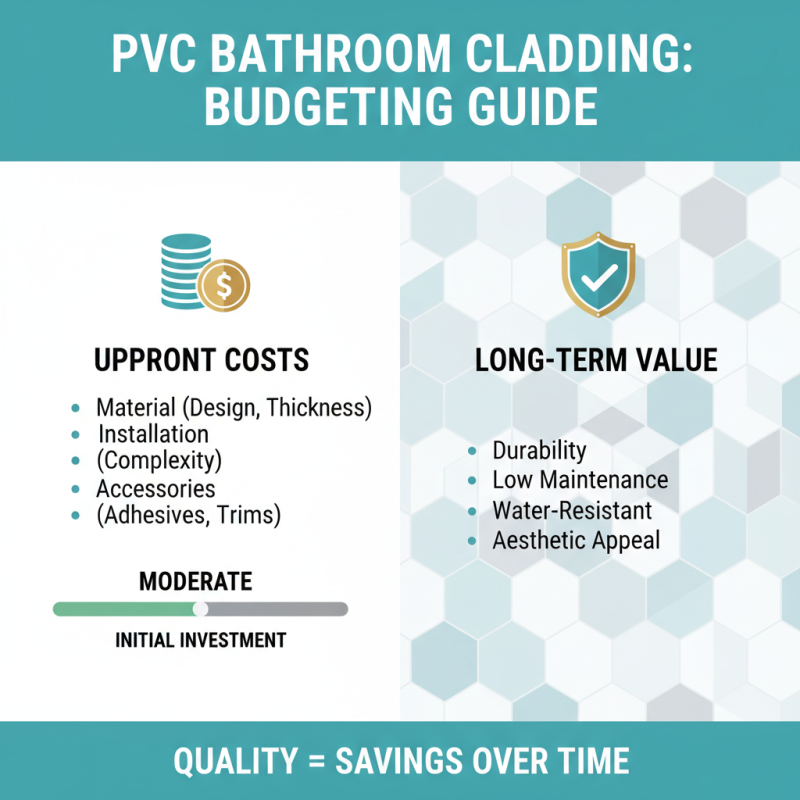
When budgeting for PVC bathroom cladding, it is essential to consider both the upfront costs and the long-term value it offers. The initial investment for PVC cladding can vary significantly based on factors such as design, thickness, and installation complexity. On average, homeowners should expect to spend between a moderate to an advanced price range, ensuring they select a quality product that meets their aesthetic and functional needs. This upfront cost should encompass not only the material itself but also any necessary accessories, such as adhesive, trims, and finishing touches to achieve a polished look.
In addition to the initial costs, evaluating the long-term value of PVC bathroom cladding is crucial. PVC is known for its durability and resistance to moisture, which reduces the potential for mold and mildew growth often seen in traditional materials. This quality translates to lower maintenance costs over time, as homeowners will spend less on repairs and replacements. Moreover, the ease of cleaning PVC surfaces enhances their practicality, leading to a more cost-effective solution in the long run. Taking these factors into account will help you make an informed decision that balances your budget against the benefits and longevity of the cladding installed in your bathroom.
Installation Options for PVC Bathroom Cladding: DIY vs. Professional Help
When it comes to installing PVC bathroom cladding, homeowners often face the decision between a DIY approach and hiring professional help. The DIY method can be particularly appealing for those who enjoy hands-on projects and want to save on costs. With the right tools, materials, and a bit of research, many can successfully tackle installation themselves. Online tutorials and videos can serve as valuable resources, guiding you through the step-by-step process. However, it's crucial to assess your skill level honestly; improper installation can lead to issues like water damage or misaligned panels.
On the other hand, enlisting the services of a professional installer offers peace of mind. Professionals bring expertise and experience, ensuring that the cladding is fitted correctly and securely, which is essential in a moisture-prone environment like a bathroom. Professional installation can also save time and effort, allowing homeowners to focus on other aspects of their renovation. Ultimately, the decision will depend on your personal comfort with DIY projects versus the convenience of hiring an expert, as well as your budget and the complexity of the installation process.
10 Essential Tips for Choosing PVC Bathroom Cladding for Your Home - Installation Options for PVC Bathroom Cladding: DIY vs. Professional Help
| Tip No. |
Tip Description |
Installation Option |
Estimated Cost |
| 1 |
Choose a moisture-resistant material. |
Both DIY and Professional |
$0.50 - $4.00 per sq ft |
| 2 |
Select the right thickness for durability. |
DIY |
$1.25 - $3.00 per sq ft |
| 3 |
Pick a color or pattern that suits your style. |
Both DIY and Professional |
$1.00 - $5.00 per sq ft |
| 4 |
Look for easy-to-clean surfaces. |
DIY |
$0.75 - $3.00 per sq ft |
| 5 |
Consider panels with tongue-and-groove design. |
Professional |
$2.00 - $6.00 per sq ft |
| 6 |
Check for warranty and quality assurance. |
Both DIY and Professional |
Variable |
| 7 |
Ensure compatibility with existing fixtures. |
Professional |
N/A |
| 8 |
Review installation and maintenance guides. |
DIY |
Free |
| 9 |
Seek advice from professionals or forums. |
Professional |
$50 - $150 consultation |
| 10 |
Plan for future repairs and adjustments. |
Both DIY and Professional |
Variable |