What is Pvc Bathroom Cladding and Why Choose It?
Pvc Bathroom Cladding is revolutionizing modern bathrooms. This innovative material offers durability and ease of maintenance. According to industry expert Sarah Johnson, "Pvc Bathroom Cladding provides a practical solution without compromising style."
In recent years, many homeowners have opted for Pvc Bathroom Cladding due to its water-resistant properties and affordability. It comes in various designs, which allows personal expression. However, not all installations are perfect. Some may underestimate its longevity, leading to premature replacements.
Installation can be straightforward, but those who rush may face issues. Proper preparation is key. Despite its many benefits, Pvc Bathroom Cladding does require some reflection on personal choice and design. Overall, it’s a worthy consideration for anyone looking to upgrade their bathing space.
What is PVC Bathroom Cladding?
PVC bathroom cladding refers to a versatile wall covering made from polyvinyl chloride. This material provides a sleek, modern look for any bathroom space. It comes in various designs, colors, and patterns. Many people appreciate its water-resistant properties. This makes it an ideal choice for humid environments like bathrooms.
Installation is often straightforward. It can be applied directly over existing wall surfaces. This sometimes eliminates the need for extensive renovations. However, attention to detail is crucial during installation. Poorly installed cladding can lead to issues like moisture traps, which may damage the underlying structure. It's essential to ensure a proper fit and seal.
Maintenance is another factor to consider. While PVC cladding is generally easy to clean, any scratches or dents can be hard to repair. Choosing the right design can be challenging, too. Many options exist, which can make decision-making overwhelming. Reflecting on personal style and bathroom aesthetics is important in this process.
Key Features of PVC Bathroom Cladding
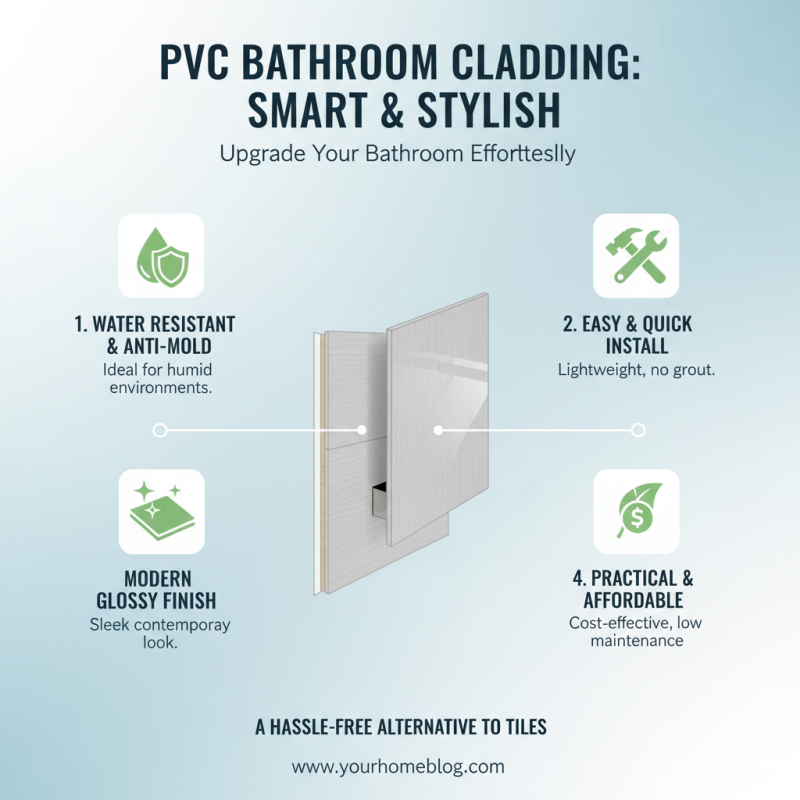
PVC bathroom cladding offers a practical and stylish alternative to traditional tiles. It is often lightweight and easy to install. The glossy finish gives a modern look to any bathroom space. Many homeowners appreciate its water resistance, which helps prevent mold growth. This feature is crucial in humid environments like bathrooms.
Another key aspect is the range of colors and designs available. From bold patterns to subtle shades, there’s something for every aesthetic preference. The cladding material is also low-maintenance. A quick wipe with a damp cloth is usually enough to keep it clean. However, it’s important to note that excessive scrubbing can damage the surface.
Durability is one of the standout features of PVC cladding. It withstands impacts and does not crack easily. Yet, like all materials, it can be prone to scratches. Over time, the edges can wear down if not treated carefully. Some users find that they need to replace panels after several years of use. The initial appeal may fade, highlighting the importance of choosing high-quality options.
Advantages of Choosing PVC Cladding for Bathrooms
PVC bathroom cladding offers a practical and stylish solution for moisture-prone spaces. Unlike traditional materials, PVC is waterproof. This feature makes it an ideal choice for bathrooms. According to the Home Improvement Research Institute, over 45% of homeowners prefer PVC over tiles due to its ease of maintenance and durability. It doesn't warp or crack in high humidity, maintaining its aesthetic appeal for years.
One major advantage of PVC cladding is its thermal insulation properties. It can help keep your bathroom warm. This could lower heating costs in the long run. Additionally, PVC cladding is lightweight. This makes installation much easier and faster, reducing labor costs. Many homeowners find that they can install it themselves, saving even more money.
**Tip:** When selecting colors or patterns, consider the overall theme of your bathroom. A cohesive design creates a serene atmosphere. Also, remember to check for UV resistance if your bathroom has windows. Subpar products can fade over time. Choose wisely to avoid dissatisfaction down the line.
What is PVC Bathroom Cladding and Why Choose It? - Advantages of Choosing PVC Cladding for Bathrooms
| Feature |
Description |
Advantages |
| Water Resistance |
PVC cladding is designed to prevent water penetration, making it ideal for bathrooms. |
Prevents mold and mildew growth. |
| Low Maintenance |
Requires minimal upkeep; just wipe clean with a cloth. |
Saves time and effort in bathroom maintenance. |
| Aesthetic Variety |
Available in multiple designs, colors, and textures to match decor. |
Enhances bathroom appearance with trendy options. |
| Durability |
Resistant to dents, scratches, and impact. |
Long-lasting investment for bathroom renovations. |
| Cost-Effective |
Generally lower cost compared to traditional tiles. |
Budget-friendly option for homeowners. |
Installation Process of PVC Bathroom Cladding
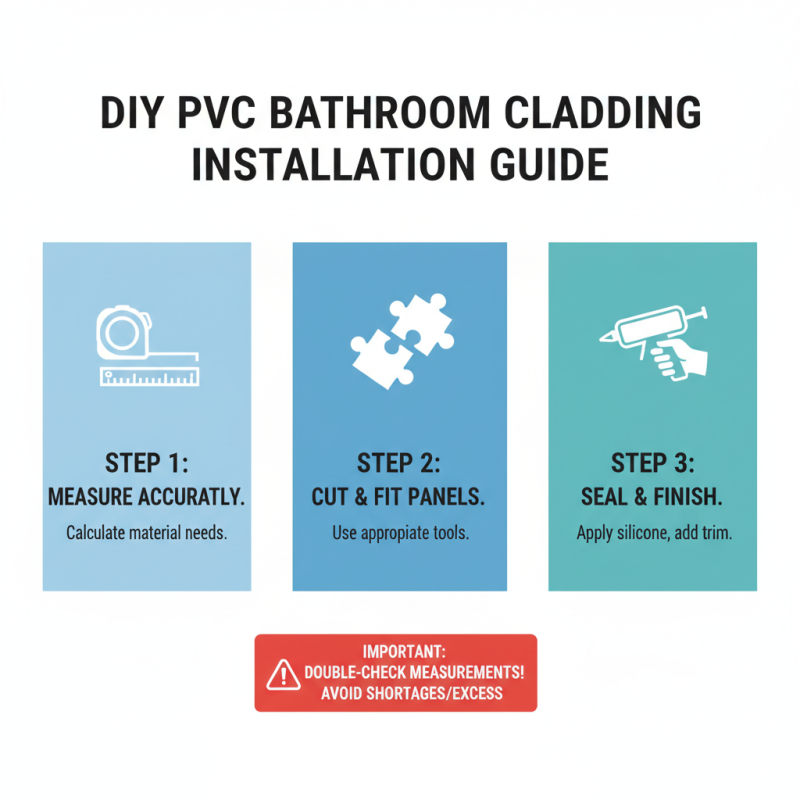
The installation process of PVC bathroom cladding is straightforward, making it a popular choice for many homeowners. Start by measuring the walls to determine how much cladding you'll need. Accurate measurements are crucial. If you get them wrong, you might face shortages or excess materials.
Prepare the wall surface next. Ensure it’s clean, dry, and free from mold. Sometimes, old tiles or paint can complicate this step. Remove any loose materials carefully. A little effort here will enhance the final look.
Fit the panels together. Use adhesive or clips as needed. It can be tricky aligning the panels perfectly. Take your time to ensure a snug fit. If the panels buckle or shift, it might create gaps. Finally, seal the edges with a finishing trim. This helps achieve a polished appearance and protects against moisture.
Maintenance Tips for PVC Bathroom Cladding
PVC bathroom cladding is a popular choice for many homeowners. It's durable, waterproof, and easy to clean. However, it requires some maintenance to keep it looking great.
To start, clean your PVC cladding regularly. Warm soapy water works well. Avoid harsh chemicals. They can damage the vinyl surface. Wipe it down with a soft cloth. This helps prevent mold and mildew buildup. A simple routine prevents major issues later.
Another tip is to check for cracks or damage. Over time, even PVC can show signs of wear. Early detection is vital. Replace damaged panels promptly to maintain a seamless look. Also, consider caulking the edges. This can help seal gaps and increase longevity.
Finally, always ensure proper ventilation in your bathroom. This tip is crucial. Good airflow reduces moisture. It minimizes the risk of mold. Also, don't be afraid to experiment with decor. Even with cladding, you can create unique designs.
Comparison of Maintenance Frequency for Bathroom Materials
This chart illustrates the maintenance frequency required for various bathroom materials, highlighting that PVC cladding requires significantly less upkeep compared to traditional options like wood and paneling.