10 Tips for Choosing the Right Plastic Cladding Sheets for Your Project
In the ever-evolving landscape of construction materials, the selection of the right plastic cladding sheets remains a pivotal decision for industry professionals. As Tim Lawson, a renowned expert in architectural materials, once stated, "Choosing the right cladding is not just about aesthetics; it's about durability, performance, and sustainability." This insightful remark underscores the various factors that influence the choice of plastic cladding sheets, which are increasingly favored for their versatility and resilience.
With a vast array of options available, understanding the specific needs of your project becomes critical. Plastic cladding sheets not only enhance the visual appeal of a structure but also provide protection against environmental elements. As construction demands shift towards more sustainable practices, these materials are becoming essential for achieving energy efficiency and longevity in building designs. Whether you are looking to refurbish an existing structure or embark on a new construction project, making an informed decision about plastic cladding sheets is key to ensuring both functionality and aesthetic harmony. The following tips aim to guide you through the selection process, helping you choose wisely for a successful outcome.
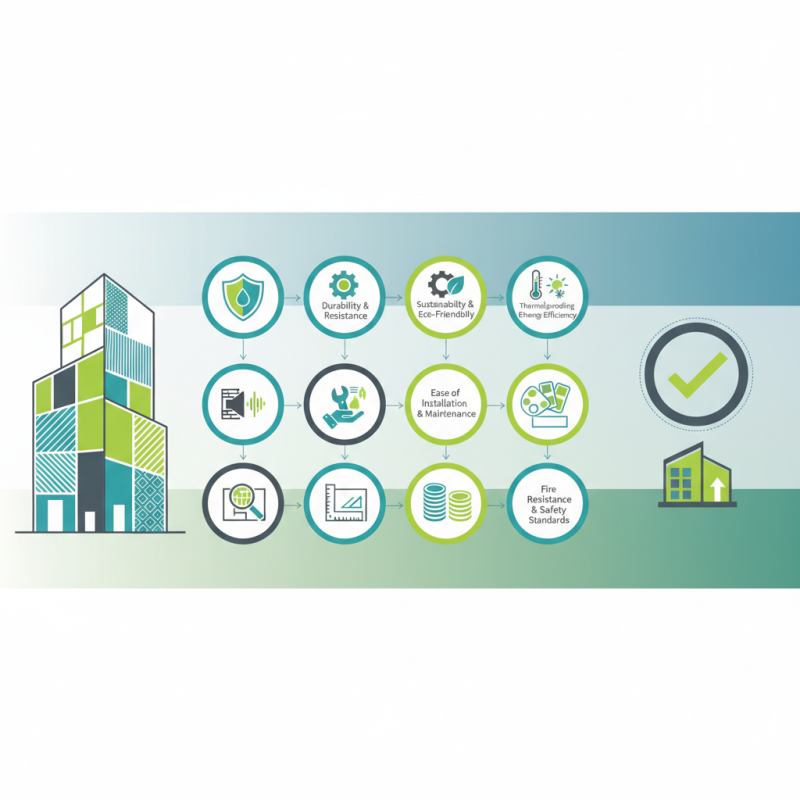
Understanding Different Types of Plastic Cladding Sheets and Their Uses
When selecting plastic cladding sheets for a project, it’s crucial to understand the various types available and their specific applications. Common types include polycarbonate, PVC, and acrylic sheets, each offering unique benefits.
Polycarbonate sheets are renowned for their high impact resistance and clarity, making them ideal for areas requiring durability and security, such as greenhouses or skylights. Conversely, PVC sheets are lightweight, cost-effective, and resistant to moisture, making them suitable for indoor applications such as wall coverings in bathrooms and kitchens.
Acrylic sheets provide excellent optical clarity and are often used in decorative applications, as well as in signage and displays. They come in various colors and thicknesses, allowing for versatility in design. Additionally, some plastic cladding sheets are engineered for UV resistance, which is essential for outdoor installations to prevent degradation over time. Understanding the nuances of these materials helps in making informed decisions that align with specific project requirements, ensuring both functionality and aesthetic appeal.
Evaluating Durability: UV Resistance and Weathering of Plastic Materials
When selecting plastic cladding sheets for your project, assessing the durability, particularly regarding UV resistance and weathering, is crucial. UV radiation can significantly impact the longevity of plastic materials, leading to discoloration, brittleness, and reduced structural integrity. Look for materials specifically engineered to withstand harmful UV rays, as these will maintain their aesthetic appeal and performance over time. Various additives and coatings can enhance UV resistance, providing an extra layer of protection against the sun's relentless exposure.
In addition to UV resistance, it's essential to consider the material's weathering properties. Weathering can cause various forms of degradation, including fading, cracking, and warping. The right plastic cladding sheets should demonstrate resistance to harsh environmental conditions, such as extreme temperatures, moisture, and precipitation. Materials that have undergone weathering tests can provide peace of mind, ensuring they will stand up to the demands of your specific project while maintaining appearance and function over years of exposure. Investing time in evaluating these characteristics will lead to a more durable and reliable finish for any application.
Evaluating Durability: UV Resistance and Weathering of Plastic Cladding Sheets
Assessing Cost-Effectiveness of Various Plastic Cladding Options
When selecting plastic cladding sheets for your project, one of the most critical aspects to consider is their cost-effectiveness. The initial investment in cladding materials can vary significantly, so it’s essential to analyze the long-term benefits against upfront expenses. High-quality plastic sheets may have a higher initial price tag, but they often provide greater durability and lower maintenance costs over time. Understanding the lifecycle costs, including installation, maintenance, and potential replacements, can help in determining the most economical choice.
Additionally, evaluating the different types of plastic cladding is crucial to assess their cost-effectiveness. Some options may offer better thermal insulation or resistance to weathering, which can lead to savings on energy bills and repair costs in the long run. It's important to weigh these factors against your project's specific requirements and budget constraints. By thoroughly considering the total cost of ownership, instead of merely the purchase price, you can make a more informed decision that aligns with your financial goals while ensuring the longevity and performance of the cladding materials.
Key Features to Consider: Insulation Properties and Thermal Efficiency
When selecting plastic cladding sheets for your project, one of the most critical factors to consider is their insulation properties. Effective insulation helps to maintain ambient temperatures within a building, minimizing energy consumption and reducing heating or cooling costs. Look for sheets that boast a high R-value, indicating superior thermal resistance. This allows for better temperature regulation inside the structure, leading to enhanced comfort for occupants and a more energy-efficient design overall.
Thermal efficiency is also paramount when evaluating plastic cladding materials. Sheets with excellent thermal efficiency help to mitigate heat loss in colder climates and prevent overheating in warmer conditions. Consider materials that can reflect sunlight effectively, thereby reducing the heat absorbed by your structure. Additionally, check for features such as UV resistance and the ability to withstand temperature fluctuations without compromising structural integrity. By prioritizing insulation and thermal efficiency in your selection process, you can ensure that your project meets both performance and sustainability goals.
Sustainability in Plastic Cladding: Recycled Materials and Eco-Friendliness
When selecting plastic cladding sheets for your project, sustainability should be at the forefront of your decision-making process. Recycled materials are increasingly becoming a vital component within the plastic cladding industry. Opting for sheets made from post-consumer or post-industrial plastics not only reduces waste but also minimizes the demand for virgin materials, thereby conserving resources. These eco-friendly options contribute significantly to reducing the carbon footprint associated with traditional building materials, aligning your project with environmentally responsible practices.
Moreover, the durability of plastic cladding sheets crafted from recycled materials is often comparable to, if not exceeding, that of their non-recycled counterparts. This ensures that while you are making an environmentally conscious choice, you are also investing in materials that offer longevity and performance. Many manufacturers are now focusing on improving the life cycle of these products, utilizing innovative recycling processes that enhance the physical properties of recycled plastics without compromising on quality. By prioritizing eco-friendliness in your selection of cladding materials, you not only support sustainable development but also inspire others in the industry to consider the environmental impacts of their choices.
10 Tips for Choosing the Right Plastic Cladding Sheets for Your Project
| Tip |
Description |
Sustainability Factor |
Recycled Content (%) |
| 1. Assess Project Requirements |
Understand the environmental, aesthetic, and functional needs of your project. |
High |
0 |
| 2. Research Materials |
Investigate different types of plastic cladding available in the market. |
Medium |
25 |
| 3. Evaluate Eco-Friendliness |
Choose cladding that has been manufactured to minimize environmental impact. |
Very High |
50 |
| 4. Check for Certifications |
Look for certifications like LEED or BREEAM that indicate sustainability. |
High |
15 |
| 5. Inspect Durability |
Ensure the cladding can withstand environmental stressors. |
Medium |
30 |
| 6. Consider Aesthetics |
Select a design that complements the overall look of the project. |
Low |
10 |
| 7. Analyze Cost-Effectiveness |
Balance initial costs with long-term benefits and potential savings. |
Medium |
20 |
| 8. Seek Industry Feedback |
Consult with professionals who have experience with plastic cladding. |
High |
5 |
| 9. Evaluate Maintenance Needs |
Choose materials that require minimal upkeep over time. |
High |
40 |
| 10. Explore Recyclability |
Select cladding that can be easily recycled at the end of its life cycle. |
Very High |
100 |