Top 10 Benefits of Upvc Wall Cladding for Your Home?
In today's world, homeowners seek both practicality and aesthetics. One option that has gained popularity is Upvc Wall Cladding. This innovative material offers various advantages that can enhance the overall appearance and functionality of a home. Many may overlook Upvc Wall Cladding due to its synthetic nature. However, it provides durability that natural materials often cannot match.
Upvc Wall Cladding is not just about looks. It contributes to insulation, reduces energy costs, and resists moisture. Yet, not all installations meet expectations. Proper installation is crucial for achieving these benefits. Poor installation can lead to issues like warping or fading over time. Homeowners should consider professional help if they want the best results.
The unique qualities of Upvc Wall Cladding make it an appealing choice for modern homes. Its vibrant colors and textures can transform any exterior. Still, one must acknowledge that not everyone may prefer its synthetic feel. Some might prefer traditional wooden siding. Reflecting on these options ensures a thoughtful approach to home improvement.
Understanding UPVC Wall Cladding: What Is It and How It Works
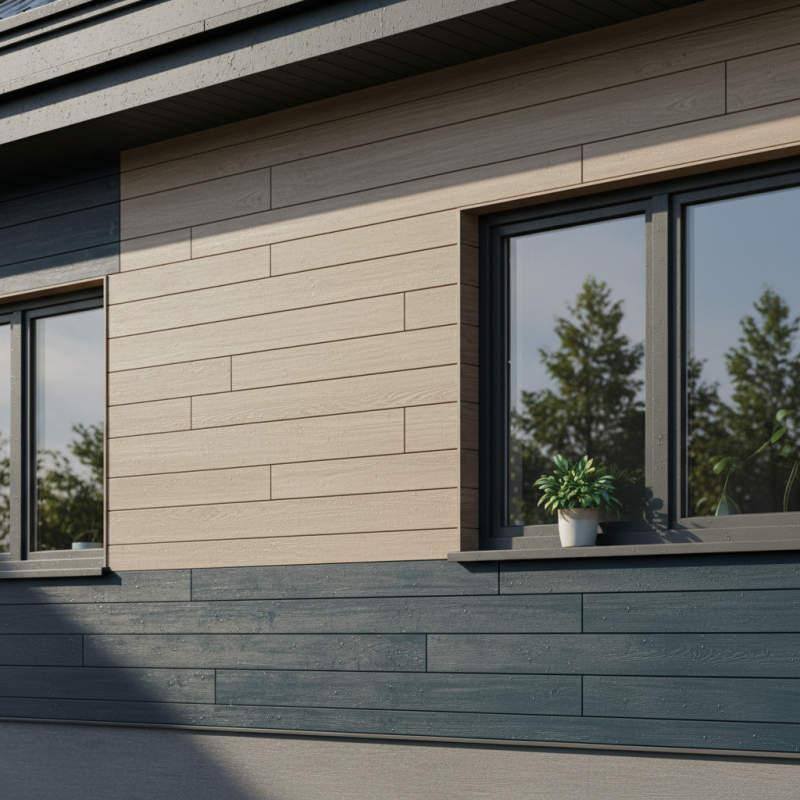
UPVC wall cladding is a modern solution for home exteriors. Made of unplasticized polyvinyl chloride, it offers durability and style. This material resists weathering. It does not warp or rot like wood. This makes it ideal for various climates. Homeowners often choose UPVC for its low maintenance needs. A simple wash is usually enough to keep it clean.
The installation process for UPVC wall cladding is quite straightforward. It typically involves fastening panels to a prepared wall. This can save time during renovations. Homeowners can enjoy enhanced insulation with UPVC. Less heat escapes, leading to lower energy bills. Some may worry about the look of plastic materials. However, UPVC comes in various colors and textures. This makes it easy to achieve a high-end appearance.
While the benefits are clear, there are aspects to consider. UPVC may not fit every architectural style. Some traditional homes might look out of place with it. And while it is durable, heavy impacts could cause dents or scratches. Choosing proper installation is crucial to prevent leaks. Homeowners should weigh these factors carefully before opting for UPVC wall cladding.
Durability and Low Maintenance: Key Advantages of UPVC Wall Cladding
When considering home improvements, durability and low maintenance are crucial. UPVC wall cladding is an excellent choice. According to industry reports, UPVC can last over 30 years with minimal upkeep. This longevity exceeds traditional materials like wood or brick, which require frequent maintenance.
Low maintenance is another key advantage. UPVC doesn't rot, rust, or warp. It is resistant to pests and harsh weather conditions. Homeowners save time and money on repairs. Studies indicate that UPVC can reduce maintenance costs by up to 50% over time.
However, it’s essential to note that not all installations are perfect. Poor installation can lead to issues such as buckling or water leakage. Regular inspections can help identify potential problems early. Balancing cost and quality during the installation process is vital for optimal performance.
Energy Efficiency and Insulation Benefits of Using UPVC Cladding
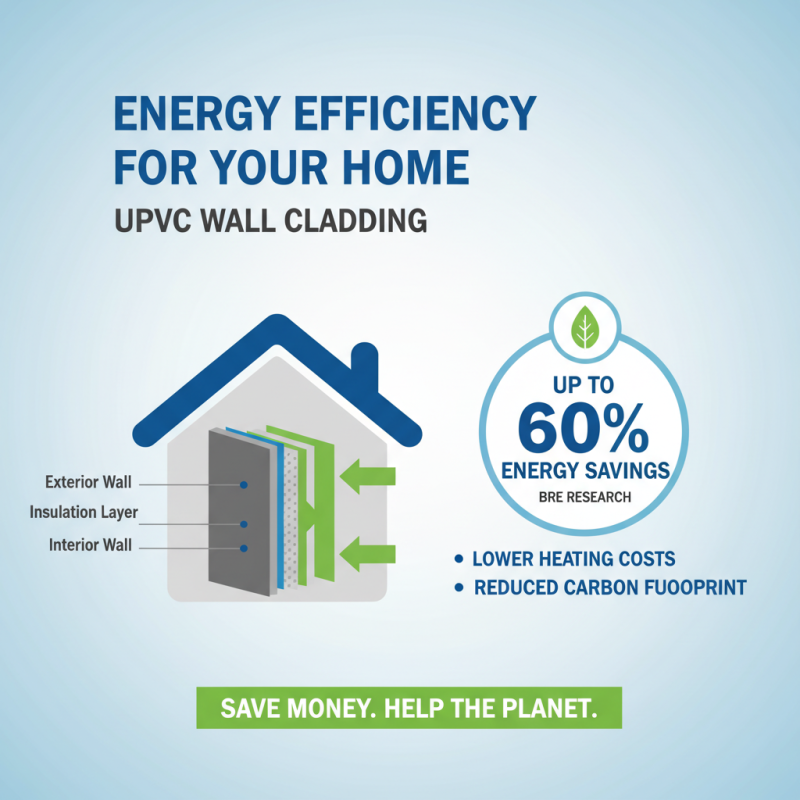
Energy efficiency is a crucial consideration for homeowners. UPVC wall cladding offers significant insulation benefits. According to research by the Building Research Establishment (BRE), buildings with high-quality cladding can achieve up to 60% improvement in energy efficiency. This translates to lower heating costs and a reduced carbon footprint.
The UPVC material is particularly effective at preventing heat loss. Its thermal performance can help maintain consistent indoor temperatures. Many homeowners report noticeable reductions in energy bills after installation. In colder climates, UPVC cladding can be a game changer. A study from the Energy Saving Trust highlights that properly insulated homes can reduce energy consumption by 20% to 30%.
However, some may overlook the importance of proper installation. Even with high-quality cladding, poor installation can lead to gaps. These gaps may allow cold air to penetrate, negating energy efficiency. Additionally, the lifespan of UPVC is considerable, lasting around 20 years with minimal maintenance. Yet, the environmental impact of manufacturing remains a point of concern. Balancing benefits with sustainability is vital as we strive for eco-friendly living.
Aesthetic Appeal: Enhancing Home Design with UPVC Wall Cladding
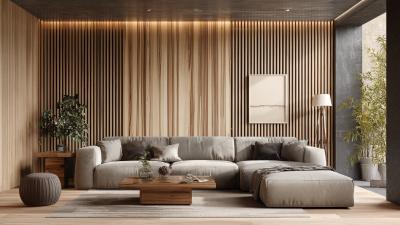
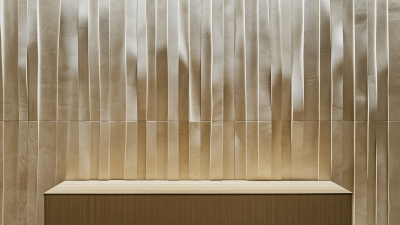
UPVC wall cladding has become a popular choice for homeowners looking to enhance their property's aesthetic appeal. This material offers a sleek and modern look that can transform any exterior. With various colors and styles available, UPVC allows for creative expression in home design. According to industry reports, homes with UPVC cladding can witness a design upgrade that increases visual interest while maintaining functionality.
In addition to aesthetics, UPVC wall cladding is highly durable. It can withstand harsh weather conditions without fading or warping. This durability means fewer renovations over time, which can be a significant cost-saver. However, it's worth considering that not all UPVC is created equal. Some products may have varying quality levels, leading to performance issues. This inconsistency can be frustrating for homeowners who expect longevity.
Moreover, the installation process can be complex. If not done properly, it might lead to visual inconsistencies or even damage. According to statistics, improper installation can compromise the lifespan of the cladding. Therefore, engaging experienced professionals is crucial. Ultimately, while the aesthetic appeal of UPVC wall cladding is undeniable, it requires careful consideration to ensure a successful application.
Top 10 Benefits of UPVC Wall Cladding for Your Home
Eco-friendly Aspects of UPVC: Sustainability in Home Construction
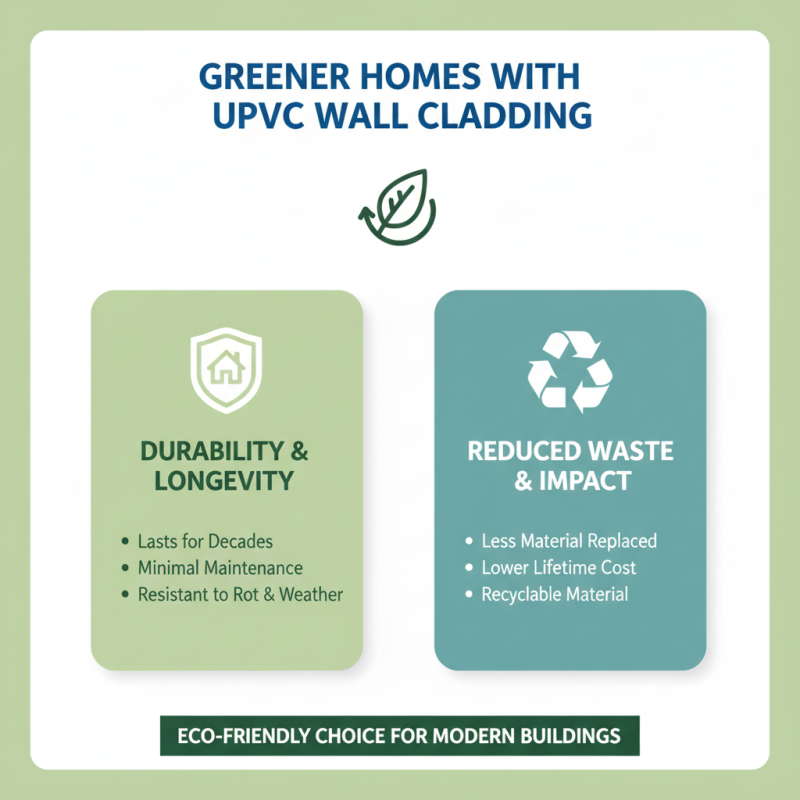
When considering sustainable building materials, UPVC wall cladding stands out. Its durability is one of its key eco-friendly traits. Unlike wood, which requires regular maintenance and replacement, UPVC can last for decades with minimal care. This means less waste over time, making it a greener choice for homeowners.
Moreover, UPVC does not require toxic paints or treatments. This safety aspect contributes positively to indoor air quality. Many families are increasingly mindful of the materials they use in their homes. Choosing UPVC allows you to create a healthier living space. However, it’s important to source UPVC from reliable suppliers to ensure true sustainability.
In addition, UPVC is recyclable, but not always recycled. Many people do not know how to dispose of it properly. Educational initiatives can encourage better recycling practices. The environmental benefits are significant, but awareness is crucial. Making informed decisions benefits the planet and future generations.