Why Choose PVC Cladding Sheets for Your Next Project?
When embarking on a new construction project, choosing the right materials is crucial. PVC cladding sheets are becoming increasingly popular due to their versatility and durability. Expert Sarah Thompson, a renowned architect in the building materials industry, states, “PVC cladding sheets are a game changer for modern design.” Her insight reflects a growing trend in integrating practical and aesthetic solutions.
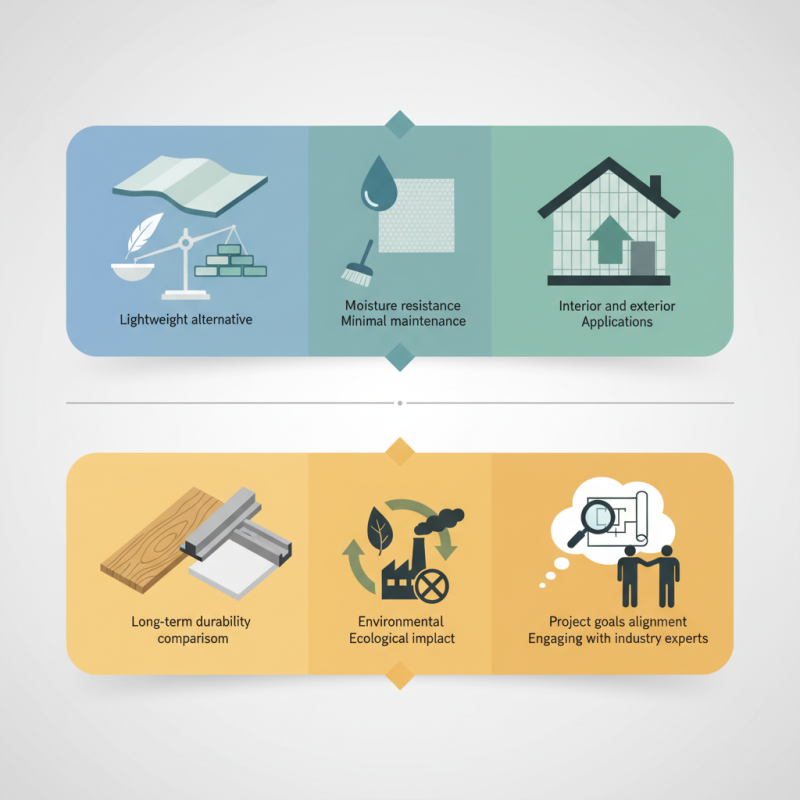
These sheets offer a lightweight alternative to traditional materials. They resist moisture and require minimal maintenance, making them ideal for both interior and exterior applications. However, some may question their long-term durability compared to wood or metal. Environmental concerns also come into play as the industry evolves. There’s always a balance to strike between function and ecological impact.
Using PVC cladding sheets can elevate your design while addressing practical needs. It’s essential to evaluate how these materials align with your project's goals. Engaging with industry experts will provide you with diverse perspectives. Ultimately, careful selection will lead to both a visually stunning and lasting result.
Advantages of PVC Cladding Sheets in Construction Projects
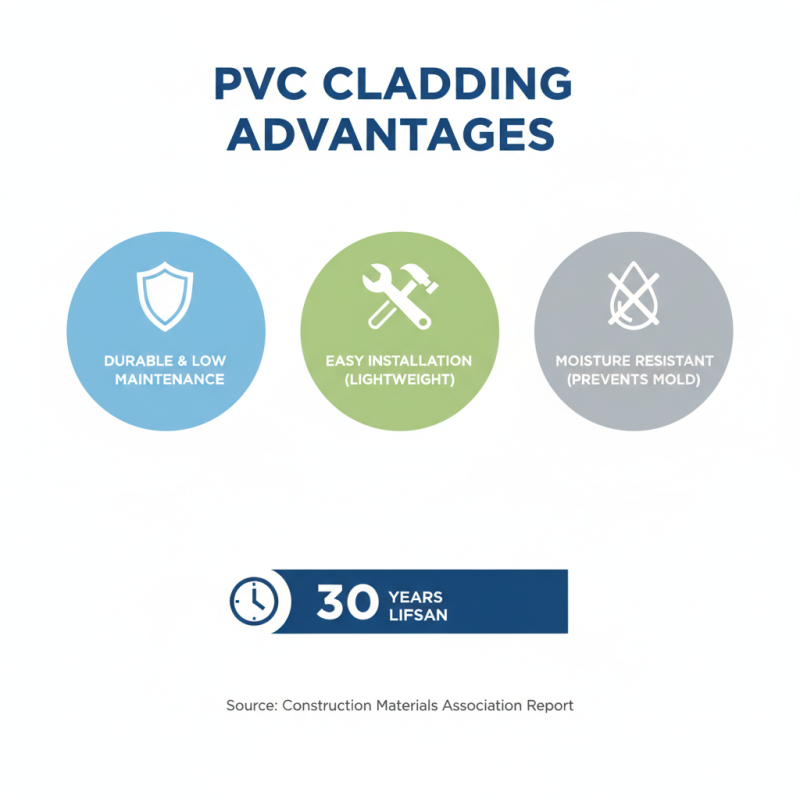
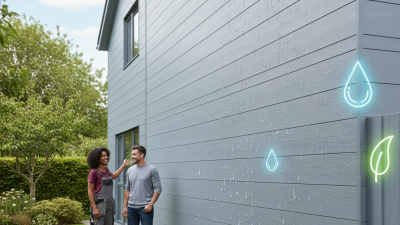
PVC cladding sheets are gaining popularity in construction. This is due to their durability and low maintenance needs. They are lightweight, making them easy to install. These sheets can resist moisture, preventing mold growth. According to a report from the Construction Materials Association, PVC cladding can last up to 30 years with proper care.
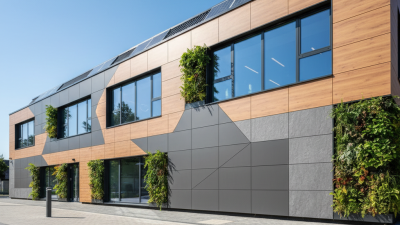
Another advantage is their versatility in design. PVC cladding sheets come in various colors and textures. They can imitate natural materials like wood or stone. A survey by the Architectural Institute found that 75% of architects prefer PVC for its aesthetic appeal. This adaptability allows for unique designs that enhance property value.
However, the misconceptions surrounding PVC must be addressed. Some view it as less environmentally friendly. Experts say that modern manufacturing processes significantly reduce its environmental impact. Still, there is a need for more recycled content in these products. Ongoing research is vital to improve sustainability aspects. Balancing durability with eco-friendliness remains a challenge for the industry.
Durability and Maintenance Benefits of PVC Materials
PVC cladding sheets are increasingly chosen for their exceptional durability and low maintenance requirements. According to a report by the Building Research Establishment (BRE), materials made from PVC can last over 30 years when properly installed. This longevity translates to lower replacement costs over time, making them a smart investment for various projects.
One of the standout features of PVC cladding is its resistance to moisture, rot, and pests. The 2021 International Journal of Material Science highlighted that PVC does not absorb water, which significantly reduces the risk of mold growth. For those living in damp climates, this is a crucial advantage. It also means less frequent cleaning, as dirt and grime are less likely to adhere to the surface.
However, it's essential to consider installation practices and local environmental factors. In regions with extreme temperatures or UV exposure, achieve optimal performance by choosing high-quality PVC materials and ensuring proper installation techniques. While PVC is generally low-maintenance, occasional inspection can prevent minor issues from escalating. Balancing durability with these considerations can maximize the benefits of using PVC cladding sheets in your next project.
Durability Comparison of PVC Cladding Sheets vs. Traditional Materials
The following chart showcases the durability scores of PVC cladding sheets compared to traditional cladding materials such as wood, metal, and fiber cement. These scores are based on factors such as resistance to weathering, impact resistance, and lifetime expectancy.
Aesthetic Versatility: Design Options with PVC Cladding
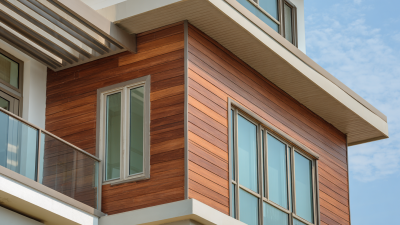
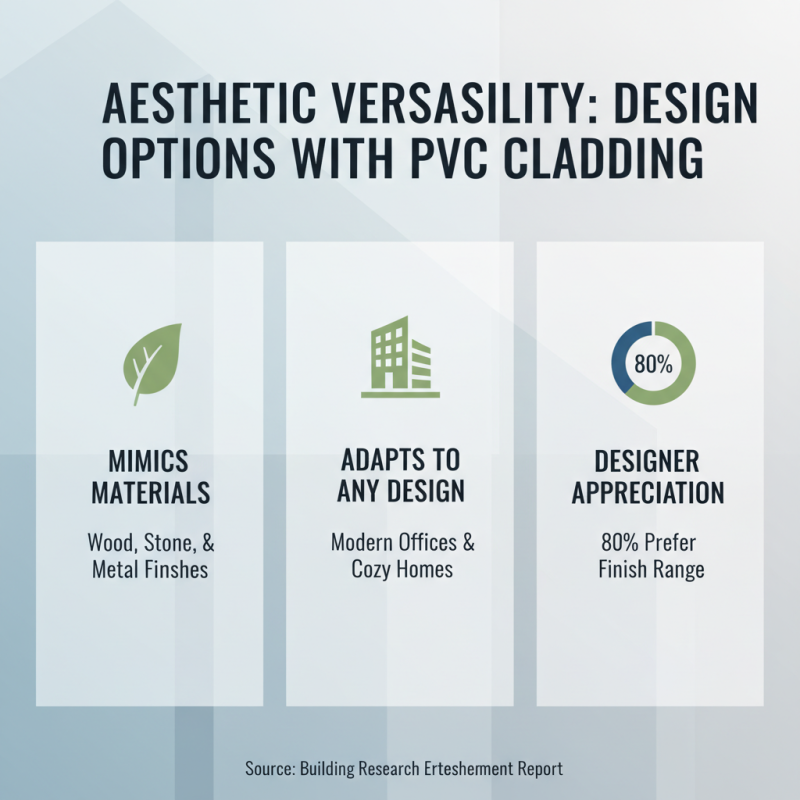
When it comes to choosing materials for your next project, PVC cladding sheets stand out for their aesthetic versatility. With a variety of colors and textures available, they can mimic natural wood, stone, or even metal. According to a recent report by the Building Research Establishment, 80% of designers appreciate the broad range of finishes that PVC cladding offers, making it ideal for diverse design themes. Whether it's a modern office or a cozy home, PVC can fit seamlessly.
One of the primary benefits is its lightweight nature, allowing for easier installation. Many contractors prefer PVC due to its lower labor costs. A study from industry experts indicated that projects utilizing PVC cladding are 30% quicker to complete compared to alternative materials. This efficiency should not overshadow a careful selection process, as each project may demand unique textures or colors for the best results.
Tips: When selecting PVC cladding, consider the overall design of your project. Ensure that the chosen color complements other elements. Another suggestion is to mix textures for added depth, but be cautious; not all combinations will work harmoniously. Remember, taking the time to reflect on these choices can greatly impact the final outcome.
Cost-Effectiveness of PVC Cladding Sheets vs. Traditional Materials
PVC cladding sheets are gaining popularity in construction due to their cost-effectiveness. When compared to traditional materials like wood or metal, PVC sheets offer significant savings. They require less maintenance, reducing long-term expenses. This makes them an appealing choice for homeowners and builders alike.
Installation costs also favor PVC. These sheets are lightweight, making transport and handling easier. Labor costs can be lower too, as they are simpler to install. Additionally, they come in various styles and colors. This flexibility allows for creative design choices in any project.
Yet, not every situation calls for PVC cladding. While they are durable, some environments may challenge their longevity. Extreme weather could affect their performance over time. Reflecting on these potential limitations is crucial. A thoughtful approach ensures the best material choice for each unique project.
Environmental Impact and Sustainability of PVC Cladding Solutions
When evaluating the environmental impact of building materials,
PVC cladding sheets emerge as a significant contender.
Unlike traditional materials, PVC cladding is designed for durability and
longevity. Research indicates that PVC can last over 50 years
with minimal maintenance. This means fewer replacements and reduced waste, contributing positively to the environment.
However, PVC production is not without its challenges. The initial manufacturing processes can involve harmful chemicals.
The industry is making strides in minimizing these impacts, with advancements in using recycled PVC.
Reports suggest that the recycling rate for PVC has increased to about 35% in recent years.
This shift is critical in addressing sustainability concerns.
Moreover, PVC cladding is energy efficient. Insulating properties help reduce heating and cooling needs in buildings.
This efficiency potentially cuts carbon emissions by up to 20%, based on recent studies. Emerging technologies continue to enhance these benefits,
promoting greener construction practices. Yet, ongoing research and development are necessary to address lingering environmental concerns fully.